
Gavin Newsom's 2028 Odds Are Climbing. Here's the Number.
Up from about 15% a week ago, and four independent platforms now agree.
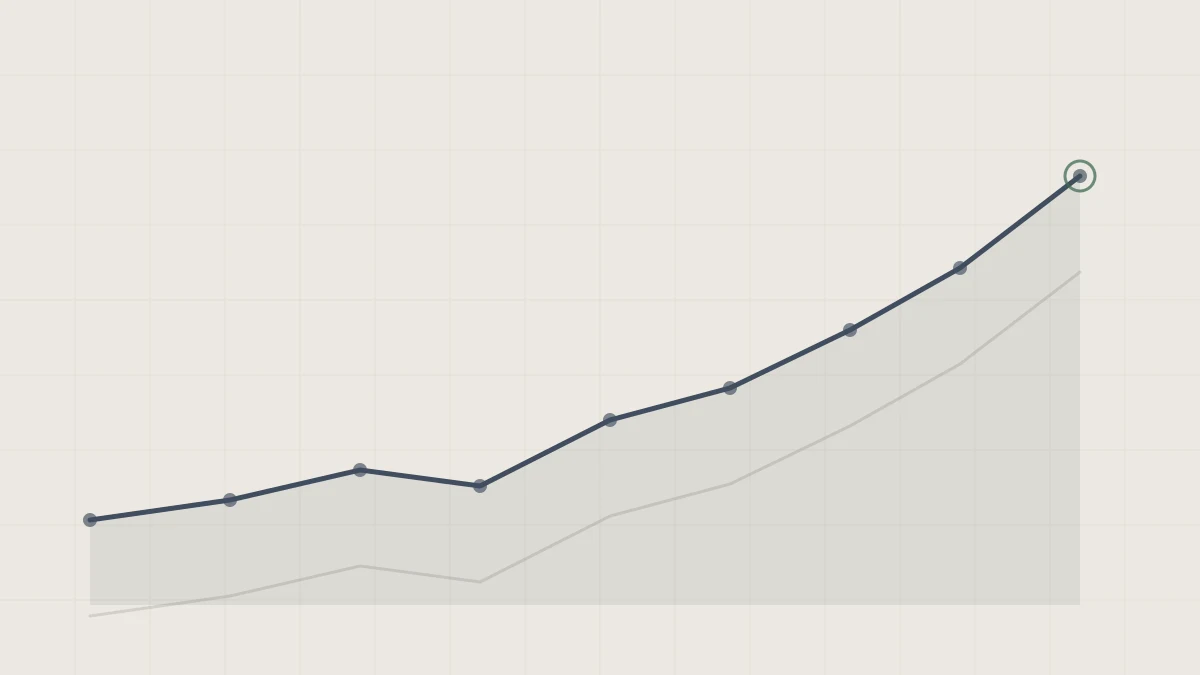
Newsom's odds to be the 2028 Democratic nominee rose on every platform we track over the past seven days. He was near 15% on July 31. Today, August 7, four independent venues price him between 18% and 20%.
The four prices
Polymarket holds the lowest price at 18%, with no entry fee, which makes it the cheapest way to back the outcome on our board right now. Kalshi is next at 19%, a figure that already carries its 1% entry fee. Limitless also shows 19%. Smarkets is the most expensive at 20%, ten percent more than the best price available for the same payout.
Two points of spread across four venues is narrow for this market. Seven days ago the same four sat closer to 15%. The per-venue table, refreshed hourly, is on the 2028 Democratic nominee page.
Where the money sits
Within this comparison, Polymarket carries $26.6M of trading volume against Newsom's outcome specifically. Kalshi carries $8.6M. Limitless carries $11K. Polymarket alone holds more volume on this single outcome than the other three venues combined, and by a wide margin.
A 19% standing on $8.6M and a 19% standing on $11K are the same number resting on very different amounts of money. We publish both, we label the size, and we leave the weighing to the reader.
Against the rest of the field
Newsom's price is now the highest of any candidate on both Kalshi and Limitless. Alexandria Ocasio-Cortez and Jon Ossoff each sit at 15% on Kalshi, four points back. Three weeks ago Newsom led on neither venue.
The field as a whole carries $1.4B traded, the deepest political market our board holds. Its cross-platform spread of 6 points also puts it among the tightest of the ten gaps we ranked today, so four venues agreeing to within two points on the front runner is consistent with how the rest of that market is priced.
What this piece does not say
We will not tell you what moved the price. That sits outside anything quote data can carry, and every account we could offer would be a guess wearing the clothes of reporting. This piece also declines to say where the number goes next.
What the data does carry is direction, size, and the count of independent venues that moved together. Four of them went the same way over the same seven days, and the gap between the cheapest and the dearest closed rather than widened.
Reading the same numbers yourself
Prices here are printed as each venue quotes them. No de-vig, no fair-value adjustment, nothing normalised into a house number, so the percentage in the table is the percentage you pay. Fees are applied before anything is called a lowest price, which the 19% on Kalshi already includes.
Fee schedule, custody model, deposit methods and geo availability sit on each venue's own page. Polymarket, Kalshi, Limitless and Smarkets each have one.
What the chart on this page plots
The chart below plots Newsom's outcome and only that one. That is a deliberate constraint rather than a default: the embedded chart normally draws whichever outcome a market's board treats as the consensus favourite, and a favourite changes while an article's subject does not. This piece pins the outcome it is about, and the page renders no chart at all if the two ever stop matching.
Four of the twelve venues in our tracked set price this outcome. The other eight either do not list the market or do not break the field down to a named candidate, so they contribute nothing to the four prices above and are not counted into the spread.
The seven days behind the number
Snapshots are written once an hour for every published market, and every ten minutes while an event is in play. Seven days of those buckets are what the chart carries. A quote we have not re-ingested within twelve hours is skipped rather than repeated, so a venue that stops publishing leaves a gap in its line instead of a flat run of the last price it happened to show.
That matters for a seven-day claim more than for a single-day one. The 15% on July 31 and the four prices today are both anchored points, and the line between them is drawn from the hourly buckets in between rather than interpolated across a hole.
Every price above was read at 16:01 UTC on August 7. The comparison page refreshes hourly and its chart carries the last seven days.
Lowest price after fees: 18% on Polymarket.